
As a man navigating the demanding years between 25 and 35, you’re likely juggling a career, personal relationships, fitness goals, and perhaps even family responsibilities. This is a period of peak potential, but it also requires peak performance. The relentless pace can leave you feeling drained, impacting everything from your productivity at work to your motivation in the gym and your presence in personal life.
You’re not alone if you’ve felt that persistent drag, the struggle to maintain focus, or the fatigue that sets in too early. While the allure of quick fixes like excessive caffeine or sugary energy drinks might be tempting, they often lead to crashes and do little to address the root causes of low energy and stamina. True, sustainable energy comes from a holistic approach: a balanced diet, consistent sleep, regular exercise, and effective stress management. However, even with these foundations in place, modern lifestyles, soil depletion, and individual physiological needs can create nutritional gaps.
This is where evidence-based supplementation comes into play. Not as a magic bullet, but as a strategic ally to optimize your body’s natural energy production, enhance recovery, and bolster your resilience. In this comprehensive guide, we’ll explore key supplements backed by scientific research that can genuinely support your stamina and energy levels, helping you unlock your full potential and thrive in your prime.
Magnesium: The Master Mineral for Energy and Recovery
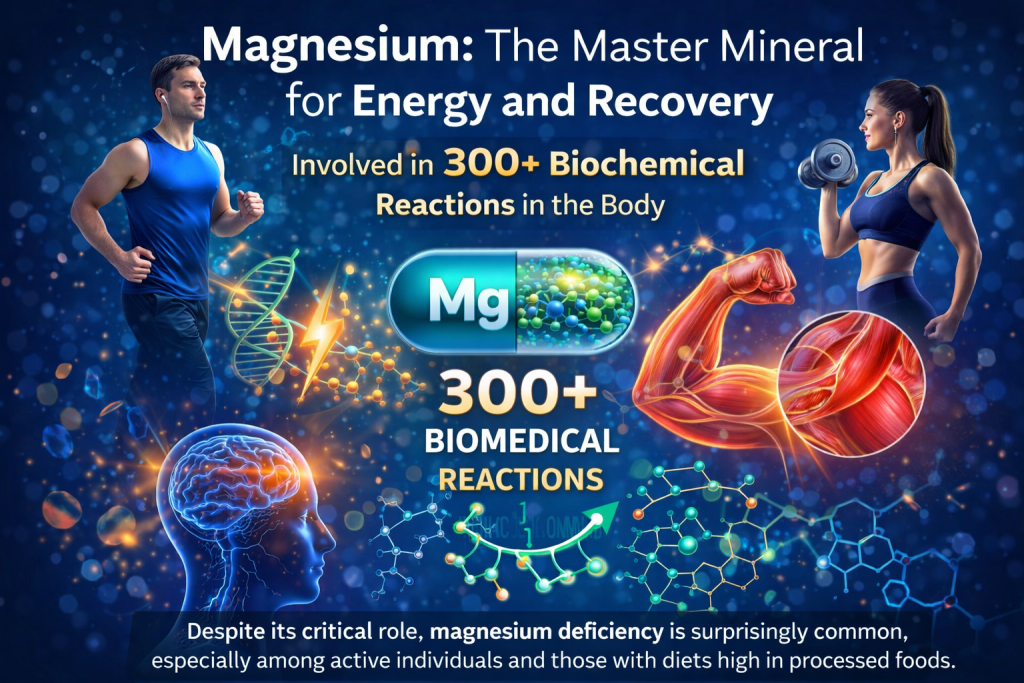
Often dubbed the “master mineral,” magnesium is involved in over 300 biochemical reactions in the body, many of which are directly related to energy production and muscle function. Despite its critical role, magnesium deficiency is surprisingly common, especially among active individuals and those with diets high in processed foods.
How it Supports Stamina and Energy:
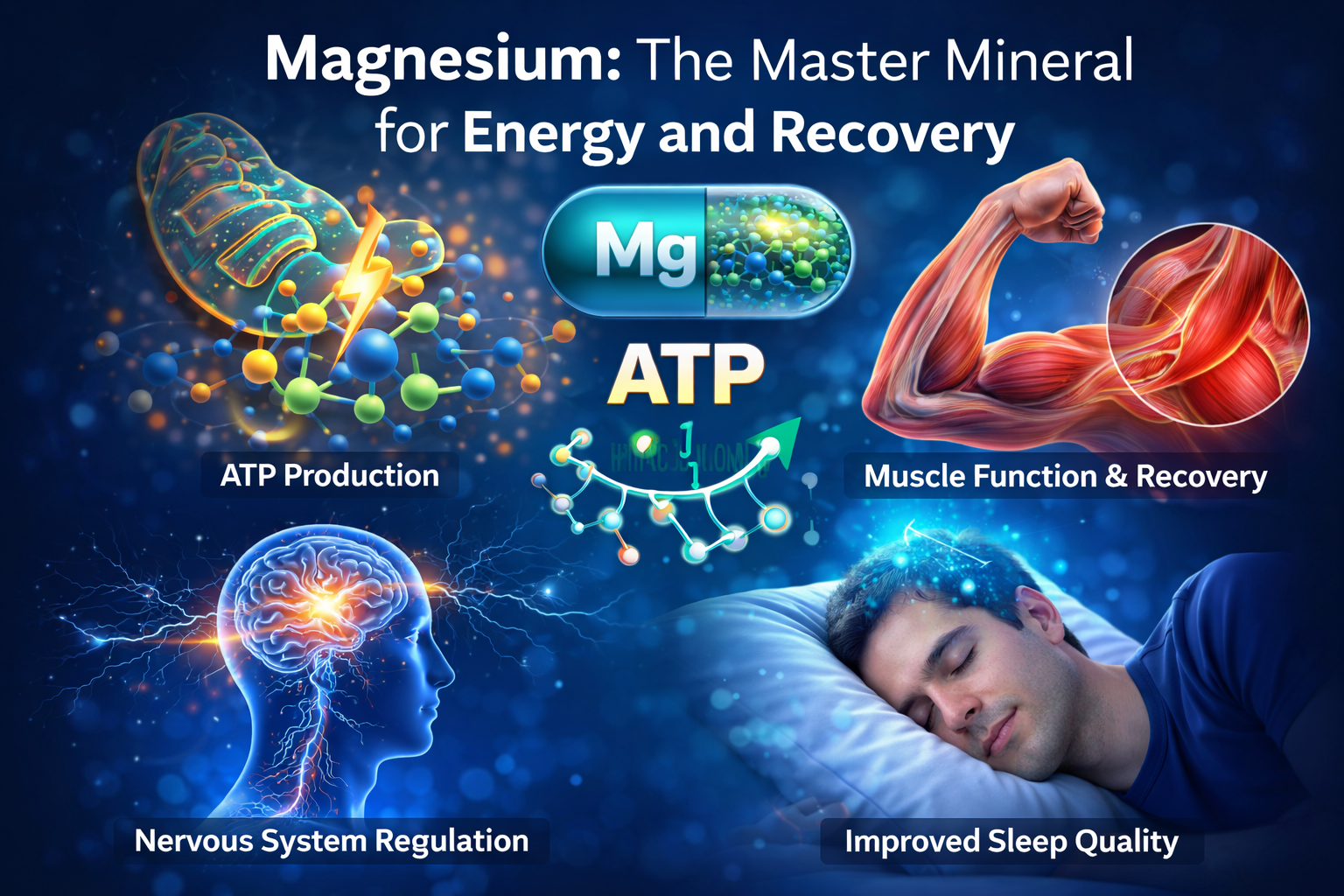
- ATP Production: Magnesium is essential for the synthesis of adenosine triphosphate (ATP), the primary energy currency of your cells. Without adequate magnesium, your body struggles to convert food into usable energy, leading to fatigue and low stamina.
- Muscle Function and Recovery: It plays a vital role in muscle contraction and relaxation. Deficiency can manifest as muscle cramps, spasms, and prolonged soreness, hindering your ability to perform and recover from physical activity. By supporting proper muscle function, magnesium helps you push harder and recover faster.
- Nervous System Regulation: Magnesium contributes to nerve signal transmission and neurotransmitter function, helping to regulate your nervous system. This can reduce feelings of anxiety and promote a sense of calm, indirectly boosting mental energy and focus.
- Improved Sleep Quality: Magnesium helps activate the parasympathetic nervous system, which is responsible for relaxation. It binds to GABA receptors, calming nerve activity and promoting restful sleep. Better sleep directly translates to improved daytime energy and stamina.
Practical Advice:
- Dosing: A common effective dose ranges from 200-400mg per day. It’s often best taken in the evening to support sleep.
- Quality Markers: Look for highly absorbable forms like magnesium glycinate (excellent for sleep and relaxation, gentle on the stomach), magnesium citrate (good for general deficiency, can have a laxative effect in higher doses), or magnesium malate (often recommended for energy and muscle pain). Avoid magnesium oxide, which has poor bioavailability.
- Third-Party Testing: Always opt for brands that conduct third-party testing to ensure purity, potency, and absence of contaminants.
A 2017 review in the journal Nutrients highlighted magnesium’s role in exercise performance.
A high‑quality, third‑party tested option is Doctor’s Best High Absorption Magnesium Glycinate. Check price on Amazon →
For a detailed comparison of top magnesium supplements, see our Best of Magnesium guide.
Zinc: The Unsung Hero for Testosterone and Immunity
Zinc is an essential trace mineral that plays a crucial role in numerous bodily functions, including immune health, wound healing, and DNA synthesis. For men, its significance extends to hormonal balance, particularly in maintaining healthy testosterone levels – a key determinant of energy, libido, and muscle mass.
How it Supports Stamina and Energy:
- Testosterone Production: Zinc is intimately involved in the enzymatic processes that lead to testosterone synthesis. Low zinc levels have been directly linked to reduced testosterone, which can manifest as decreased energy, stamina, muscle weakness, and reduced libido. Ensuring adequate zinc intake helps maintain optimal hormonal balance.
- Immune System Function: A robust immune system is fundamental to sustained energy. When your body is constantly fighting off infections, it diverts significant energy resources, leaving you feeling drained. Zinc is critical for the development and function of immune cells, helping you stay healthy and energetic.
- Protein Synthesis and Repair: Zinc is essential for protein synthesis and cell growth, which are vital for muscle repair and recovery after exercise. Efficient recovery means you’re ready to tackle your next challenge with renewed vigor.
- Antioxidant Properties: It acts as an antioxidant, helping to protect cells from oxidative stress, which can contribute to fatigue and cellular damage.
Practical Advice:
- Dosing: For most men, a daily dose of 15-30mg is sufficient. It’s often recommended to take zinc with food to prevent stomach upset.
- Quality Markers: Choose chelated forms like zinc picolinate, zinc gluconate, or zinc citrate, as these are generally better absorbed than zinc oxide.
- Balance with Copper: High doses of zinc over extended periods can interfere with copper absorption. If you’re taking more than 30mg of zinc daily, consider a supplement that also includes a small amount of copper (e.g., 1-2mg) or consult with a healthcare professional.
I recommend this third‑party tested option NOW Foods Supplements, Zinc Picolinate 50 mg . Check price on Amazon →
B-Complex Vitamins: The Energy Conversion Specialists
The B-complex vitamins are a group of eight water-soluble vitamins (B1, B2, B3, B5, B6, B7, B9, and B12) that are indispensable for cellular metabolism. Their primary role is to help your body convert the food you eat – carbohydrates, fats, and proteins – into usable energy (ATP). Without sufficient B vitamins, your body’s energy factories simply can’t run efficiently.
How it Supports Stamina and Energy:
- Metabolic Powerhouses: Each B vitamin plays a unique yet interconnected role in energy metabolism. For example, Thiamine (B1), Riboflavin (B2), and Niacin (B3) are crucial for breaking down glucose and fatty acids. Pantothenic Acid (B5) is vital for the synthesis of coenzyme A, a key molecule in energy production.
- Reduces Tiredness and Fatigue: By optimizing energy conversion, B vitamins directly combat feelings of tiredness and fatigue. They ensure that the fuel you consume is effectively utilized to power your body and mind.
- Nervous System Health: Several B vitamins, particularly B6, B9 (folate), and B12, are essential for neurotransmitter synthesis and nerve function. This supports cognitive function, mood regulation, and overall mental energy.
- Red Blood Cell Formation: Vitamin B12 and Folate (B9) are critical for the production of healthy red blood cells, which transport oxygen throughout the body. Adequate oxygen delivery is fundamental for sustained energy and physical stamina.
Practical Advice:
- Dosing: A good quality B-complex supplement will provide a balanced spectrum of all eight B vitamins, typically in doses that meet or exceed the daily recommended intake.
- Quality Markers: Look for supplements that contain the activated or methylated forms of B vitamins, such as methylcobalamin (B12) and methylfolate (B9). These forms are more readily utilized by the body, especially for individuals with genetic variations that affect B vitamin metabolism.
- Timing: B-complex vitamins are best taken in the morning or early afternoon, as their energizing effects might interfere with sleep if taken too late in the day.
The Doctor’s Best Fully Active B Complex is highly recommended and you may find a competitive price on Amazon →
Creatine: The Gold Standard for Power and Performance
Creatine is one of the most extensively researched and scientifically validated supplements available, with a robust body of evidence supporting its benefits for strength, power, and muscle growth. It’s not just for elite athletes; men aged 25-35 looking to improve their gym performance, recovery, and even cognitive function can benefit significantly.
How it Supports Stamina and Energy:
- ATP Regeneration: Creatine’s primary mechanism of action is its role in regenerating ATP, particularly during short bursts of high-intensity activity. It acts as a rapid energy reserve, allowing your muscles to perform more repetitions, lift heavier weights, and sustain intense effort for longer before fatigue sets in. This directly translates to improved anaerobic stamina.
- Increased Strength and Power Output: By enhancing ATP availability, creatine allows for greater force production, leading to significant improvements in strength and power. This means better performance in weightlifting, sprinting, and other explosive movements.
- Enhanced Muscle Growth: Creatine draws water into muscle cells, increasing cell volume and potentially stimulating protein synthesis. It also allows for more effective training, which is a key driver of muscle hypertrophy.
- Improved Recovery: By aiding in ATP regeneration and reducing muscle cell damage, creatine can accelerate recovery between sets and after workouts, allowing you to train more frequently and effectively.
- Cognitive Benefits: Emerging research suggests creatine may also support brain health, improving memory and cognitive function, especially in situations of sleep deprivation or mental stress.
Practical Advice:
- Dosing: The most common and effective protocol involves a “loading phase” of 20g per day (divided into 4 doses) for 5-7 days, followed by a “maintenance phase” of 3-5g per day. The loading phase is optional but can saturate muscle creatine stores faster. Consistent daily intake is key.
- Form: Creatine monohydrate is the most studied, effective, and cost-efficient form. Don’t be swayed by marketing claims for more expensive, less-proven forms.
- Quality Markers: Look for micronized creatine monohydrate for better solubility and absorption. Brands with Creapure® certification guarantee high purity and quality.
- Hydration: Ensure adequate water intake when supplementing with creatine, as it draws water into muscle cells.
Jacked Factory Creatine Monohydrate Powder is a wise solution to obtain this important supplement. Find the creatine supplements here on Amazon →
Omega-3 Fatty Acids: The Anti-Inflammatory Edge for Recovery
Omega-3 fatty acids, particularly eicosapentaenoic acid (EPA) and docosahexaenoic acid (DHA), are essential fats renowned for their wide-ranging health benefits, from cardiovascular health to brain function. For active men, their powerful anti-inflammatory properties are particularly relevant for sustaining energy and optimizing recovery.
How it Supports Stamina and Energy:
- Reduces Exercise-Induced Inflammation: Intense physical activity inevitably causes microscopic damage to muscle fibers, leading to inflammation and delayed onset muscle soreness (DOMS). Omega-3s, especially EPA, help to modulate the body’s inflammatory response, reducing muscle soreness and accelerating recovery. Less inflammation means you feel less stiff and fatigued, allowing you to get back to training sooner and with more energy.
- Improved Cardiovascular Health: Omega-3s support heart health by improving blood vessel function, reducing triglyceride levels, and maintaining healthy blood pressure. A healthy cardiovascular system is crucial for efficient oxygen and nutrient delivery to working muscles, directly impacting stamina.
- Enhanced Brain Function: DHA is a major structural component of the brain. Adequate omega-3 intake supports cognitive function, focus, and mood, which are all vital for sustained mental energy throughout your day.
- Joint Health: By reducing inflammation, omega-3s can also support joint health, which is critical for maintaining consistent physical activity without pain or discomfort.
Practical Advice:
- Dosing: Aim for a combined EPA+DHA intake of 1-3 grams per day. The specific ratio of EPA to DHA can vary, but a higher EPA content is often favored for inflammation reduction.
- Quality Markers: Choose a high-quality fish oil supplement that is molecularly distilled to remove heavy metals (like mercury) and other contaminants (PCBs). Look for products in the triglyceride form, as this is more bioavailable than ethyl ester forms. Third-party testing (e.g., IFOS certification) is a strong indicator of purity and potency.
- Dietary Sources: While supplements are effective, also prioritize dietary sources like fatty fish (salmon, mackerel, sardines) 2-3 times per week.
(For a deeper dive into selecting the best Omega-3 supplement, check out our comprehensive guide on Omega‑3 for Optimal Heart Health.
Ashwagandha: The Adaptogen for Stress Resilience and Stamina (Optional)
Ashwagandha (Withania somnifera) is an ancient adaptogenic herb widely used in Ayurvedic medicine. Adaptogens are unique in their ability to help the body adapt to various stressors, promoting balance and resilience. While not a direct energy booster in the way B vitamins are, Ashwagandha can significantly impact stamina and energy by improving your body’s stress response.
How it Supports Stamina and Energy:
- Stress Reduction and Cortisol Modulation: Chronic stress leads to elevated cortisol levels, which can deplete energy, impair sleep, and negatively impact overall well-being. Ashwagandha helps to regulate the hypothalamic-pituitary-adrenal (HPA) axis, reducing cortisol and promoting a sense of calm. By mitigating the physiological toll of stress, it frees up energy for other functions.
- Improved Stamina and Endurance: Several studies suggest Ashwagandha can enhance cardiorespiratory endurance (VO2 max) and overall stamina, likely by improving energy utilization and reducing perceived exertion during exercise.
- Enhanced Strength and Muscle Recovery: Some research indicates Ashwagandha may contribute to increased muscle strength and faster recovery, potentially by reducing exercise-induced muscle damage and inflammation.
- Better Sleep Quality: By promoting relaxation and reducing stress, Ashwagandha can indirectly improve sleep quality, leading to more restorative rest and increased daytime energy.
Practical Advice:
- Dosing: Typical effective doses range from 300-600mg of a standardized root extract per day. It’s often taken in two divided doses or once in the evening.
- Quality Markers: Look for standardized extracts, such as KSM-66 or Sensoril, which guarantee a specific concentration of active compounds called withanolides. These patented extracts are backed by clinical research.
- Consideration: Ashwagandha is generally well-tolerated, but as with any herbal supplement, it’s wise to start with a lower dose and monitor your response. It’s an “optional” supplement because its benefits are more indirect and may not be necessary for everyone, but it can be a powerful tool for those experiencing chronic stress or seeking an extra edge in resilience.
For those interested in an adaptogen, Doctor’s Best Ashwagandha with Sensoril offers a clinically-studied extract shown to support stress resilience and mental focus. Check price on Amazon →
Conclusion: Supplements as an Enhancement, Not a Replacement
Supplements are powerful tools, but they are not magic pills. They work best when integrated into a lifestyle that prioritizes foundational health practices. Think of them as the final polish on a well-built machine, not the engine itself.
Before reaching for any supplement, ensure you’re consistently nailing the basics:
- Nutrition: A whole-foods diet rich in fruits, vegetables, lean proteins, and healthy fats.
- Sleep: 7-9 hours of quality sleep per night.
- Exercise: Regular physical activity, combining strength training and cardiovascular exercise.
- Stress Management: Techniques like mindfulness, meditation, or spending time in nature.
By addressing these pillars first, you create an optimal environment for supplements to exert their full benefits. Start with the foundational supplements like Magnesium, Zinc, and a B-Complex, then consider Creatine for performance and Omega-3 for recovery. Ashwagandha can be a valuable addition if stress is a significant factor in your energy levels.
Track your progress, pay attention to how your body feels, and be patient – consistent effort yields the best results. Investing in your energy and stamina now is an investment in your future, allowing you to excel in every aspect of your life.
(Ready to optimize your energy? Explore our recommended, third-party tested products for each of these supplements – Recommended Products – Wellstrong Health).
Disclaimer: The information provided in this article is for educational purposes only and should not be considered medical advice. Always consult with a qualified healthcare professional or your doctor before starting any new supplement regimen, especially if you have pre-existing medical conditions, are taking medications, or have any concerns about your health.