
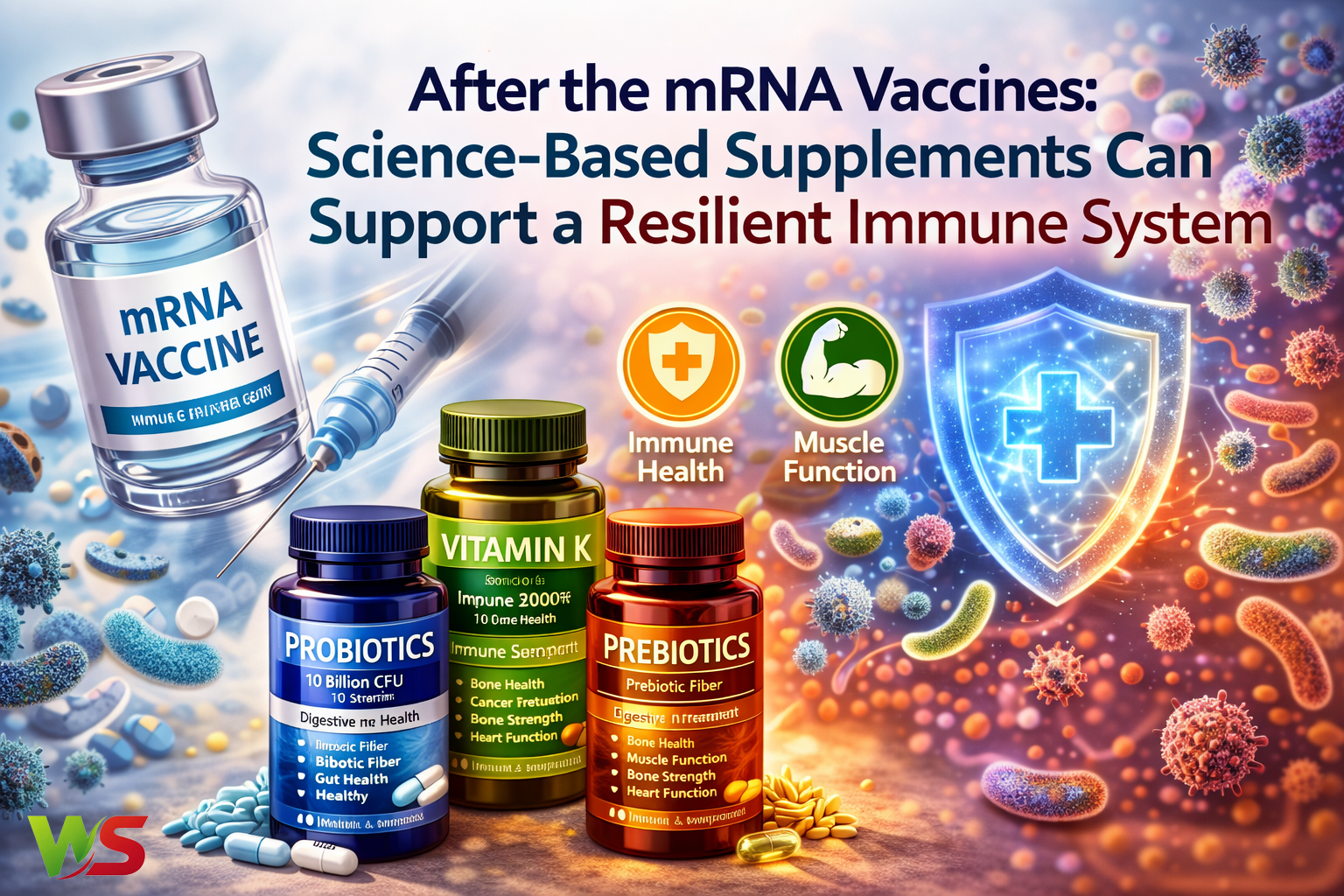
Immune resilience after the mRNA vaccines is a continuous challenge. Maintaining our health requires a wise and comprehensive strategic plan.
1. Introduction – A Shared Experience
The past few years have marked an unprecedented global health challenge, leading to a monumental scientific effort to develop and deploy vaccines against COVID-19. Among these, the mRNA vaccines stood out for their innovative technology and rapid development, playing a critical role in mitigating the pandemic’s severity. This collective experience, where billions worldwide received these novel immunizations, not only showcased the power of modern vaccinology but also significantly heightened public awareness about the intricate workings of our immune system. People became more attuned to concepts like immune priming, memory cells, and the body’s remarkable ability to defend itself against pathogens.
As a pharmaceutical scientist with decades in drug development, I’ve witnessed firsthand the transformative impact of vaccines. Yet, the conversation around immune health doesn’t end with vaccination. What we learned about immune preparedness—the idea that our body’s defenses can be strengthened and optimized—can now be applied to everyday health. Beyond specific pathogen protection, maintaining a robust and resilient immune system is fundamental to overall well-being. This article explores how, through evidence-based supplementation, we can proactively support our immune resilience, building on the lessons learned from our shared vaccination journey.
2. The Immune System: Primed but Not Static
Our immune system is a marvel of biological engineering, a complex network of cells, tissues, and organs constantly working to protect us from disease. Vaccines, like the mRNA COVID-19 vaccines, are designed to “prime” this system, teaching it to recognize and remember specific threats without causing illness. This creates specific immunological memory, meaning your body is ready to mount a rapid and effective response if it encounters the actual pathogen.
However, specific immunological memory is just one facet of overall immune resilience. The immune system is incredibly dynamic, constantly adapting and responding to a myriad of internal and external factors. Its optimal function depends on far more than just prior exposure to pathogens or vaccines. Lifestyle choices—such as diet, sleep quality, physical activity, and stress management—play profound roles in shaping immune responses. Crucially, the availability of essential micronutrients acts as the fundamental building blocks and regulators for immune cell development, function, and communication.
Think of it this way: a vaccine provides the blueprint for recognizing a specific intruder, but a well-nourished body ensures the construction crew (immune cells) has all the tools and energy to build and maintain a strong defense. Deficiencies in key vitamins and minerals can impair various aspects of immune function, from the production of antibodies to the activity of natural killer cells and macrophages. Therefore, while vaccines provide targeted protection, maintaining overall immune resilience through nutrition and lifestyle is an ongoing, holistic endeavor. Numerous reviews highlight the critical role of micronutrients in supporting both innate and adaptive immunity, underscoring that a robust immune system is a well-fed immune system [1].
3. Key Nutrients That Support Immune Function
While a balanced diet is the cornerstone of good health, modern lifestyles, dietary restrictions, and individual needs can sometimes lead to nutritional gaps. Science-based supplementation can help bridge these gaps, providing targeted support for immune function. Here are some key nutrients with strong evidence supporting their role:
Vitamin D
Often referred to as the “sunshine vitamin,” Vitamin D is far more than just a bone health nutrient. It acts as a potent immunomodulator, influencing both the innate (first-line defense) and adaptive (specific, memory-based) arms of the immune system. Vitamin D receptors are found on most immune cells, including T cells, B cells, and antigen-presenting cells, where it helps regulate their proliferation, differentiation, and function. Deficiency in Vitamin D has been consistently linked to an increased risk of acute respiratory tract infections and other immune-related conditions.

Evidence: A landmark meta-analysis of individual participant data from 25 randomized controlled trials, published in the BMJ, found that Vitamin D supplementation safely protected against acute respiratory tract infections, particularly in individuals who were deficient [2]. This comprehensive review highlighted Vitamin D’s role in strengthening cellular immunity and reducing inflammation.
Learn more: For a deep dive into the science, sources, and supplementation of this vital nutrient, explore our guide: The Complete Guide to Vitamin D
Omega-3 Fatty Acids
Omega-3 fatty acids, particularly eicosapentaenoic acid (EPA) and docosahexaenoic acid (DHA), are essential polyunsaturated fats renowned for their anti-inflammatory properties. While inflammation is a crucial part of the immune response, chronic or excessive inflammation can be detrimental. Omega-3s help regulate this balance by serving as precursors to specialized pro-resolving mediators (SPMs) that actively resolve inflammation and promote tissue repair. They also support the fluidity and integrity of immune cell membranes, which is critical for cell signaling and function.
Evidence: While the REDUCE-IT trial primarily focused on cardiovascular outcomes, it underscored the systemic benefits of high-dose EPA. More broadly, numerous reviews and studies demonstrate that omega-3 supplementation can modulate immune responses, reduce markers of inflammation, and potentially improve outcomes in various inflammatory conditions. For instance, a review in Nutrients highlighted their role in modulating immune cell function and cytokine production, contributing to a balanced inflammatory response [3].
Learn more: Discover the full spectrum of benefits and scientific insights into these essential fats: The Ultimate Guide to Omega‑3
Probiotics
The human gut is home to trillions of microorganisms, collectively known as the gut microbiota, which play a profound role in immune system development and function. This intricate connection, known as the gut-immune axis, means that a healthy gut microbiome can significantly influence systemic immunity. Probiotics, live microorganisms that, when administered in adequate amounts, confer a health benefit on the host, can help maintain a balanced gut flora. They do this by competing with pathogens, producing beneficial compounds, and directly interacting with immune cells in the gut-associated lymphoid tissue (GALT), which represents a significant portion of the body’s immune cells.
Evidence: A Cochrane review examining the effects of probiotics for preventing acute upper respiratory tract infections found that probiotics were better than placebo in reducing the number of participants experiencing acute upper respiratory tract infections, the mean number of episodes of acute upper respiratory tract infections per person, and the mean duration of an episode [4]. This suggests a direct benefit of probiotics in supporting immune defenses against common infections.
Learn more: Dive deeper into the fascinating world of beneficial bacteria and how to choose the right strains: The Science of Probiotics
Zinc & Vitamin C
These two micronutrients are often grouped for their well-known immune-supporting roles.
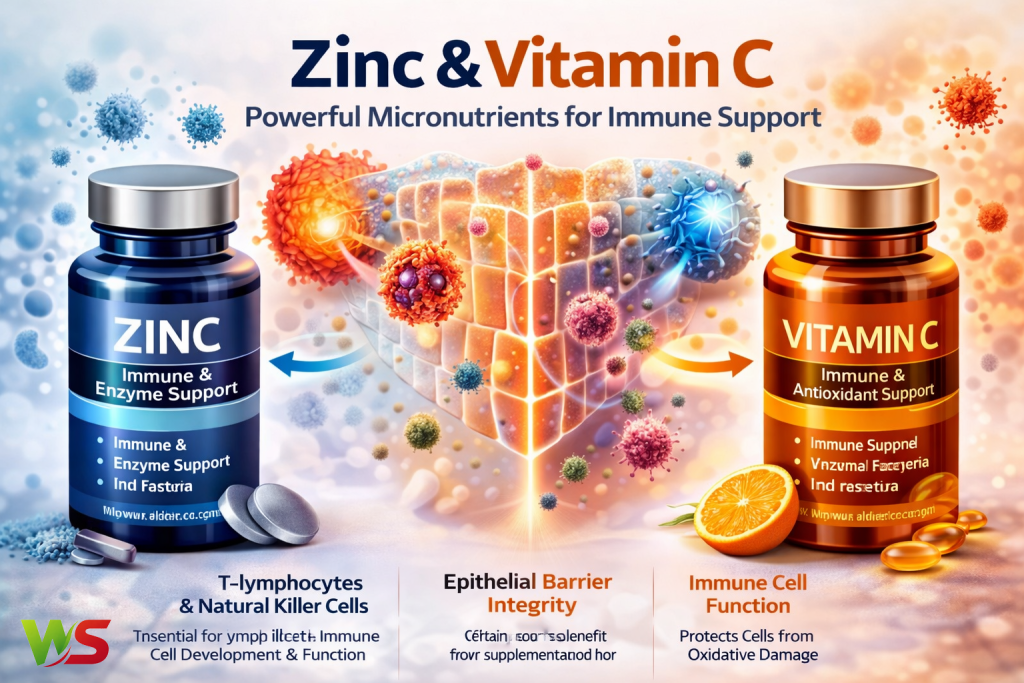
- Zinc is a critical mineral involved in over 300 enzymatic reactions and is essential for the development and function of immune cells, including T-lymphocytes and natural killer cells. It also plays a vital role in maintaining the integrity of epithelial barriers (like the skin and mucous membranes), which are our first line of defense against pathogens.
- Vitamin C is a powerful antioxidant that protects immune cells from oxidative damage. It also supports various cellular functions of both the innate and adaptive immune systems, including enhancing phagocytic activity of immune cells and promoting lymphocyte proliferation.
While a balanced diet rich in fruits, vegetables, and lean proteins often provides adequate amounts of zinc and vitamin C for most individuals, certain groups—such as the elderly, those with restrictive diets, or individuals under significant stress—may benefit from targeted supplementation to ensure optimal immune function.
4. Why mRNA-Vaccinated Individuals Might Pay Special Attention
It’s crucial to clarify that there is no scientific evidence suggesting any direct interaction, positive or negative, between these science-based supplements and the efficacy or safety of mRNA vaccines. The immune response generated by the vaccine is specific and robust, and these supplements do not interfere with that process.
Instead, the experience of receiving an mRNA vaccine, and the global conversation around it, served as a powerful reminder of the importance of a resilient immune system. For many, it was the first time they actively considered how their body’s defenses work and how they could be supported. Individuals who embraced the science behind vaccine development and trusted the rigorous clinical trial process are often the same individuals who are receptive to other evidence-based health interventions.
The vaccination experience highlighted that while specific protection against a pathogen is vital, maintaining overall immune health is an ongoing journey. It underscored that a well-functioning immune system is better equipped to handle not just specific viral threats, but also the myriad of daily challenges it faces, from common colds to environmental stressors. Therefore, for those who have been vaccinated, paying special attention to foundational immune support through diet, lifestyle, and targeted supplementation is a logical extension of their commitment to proactive health management.
5. How to Choose High-Quality Supplements
Navigating the supplement market can be daunting, with countless brands and claims. As a pharmaceutical scientist, I emphasize that not all supplements are created equal. To ensure you’re investing in products that are safe, effective, and deliver on their promises, it’s essential to apply a critical, science-based approach. At Wellstrong Health, we evaluate supplements based on four core pillars, which I encourage everyone to consider:
- Clinical Evidence: Does the supplement’s active ingredient have robust scientific backing from peer-reviewed human clinical trials for its stated benefits? We look for studies demonstrating efficacy and safety.
- Ingredient Quality: Are the ingredients sourced from reputable suppliers? Are they in bioavailable forms that the body can effectively absorb and utilize? Purity and potency are paramount.
- Manufacturing Standards: Is the product manufactured in facilities that adhere to Good Manufacturing Practices (GMP)? This ensures consistency, quality control, and freedom from contaminants.
- Transparency: Is the brand transparent about its ingredients, dosages, sourcing, and testing? Reputable companies provide certificates of analysis (COAs) upon request.
Beyond these pillars, look for supplements that have undergone third-party testing by independent organizations such as USP (U.S. Pharmacopeia), NSF International, or ConsumerLab.com. These certifications verify that the product contains what it claims, in the amounts specified, and is free from harmful contaminants.
Finally, maintain realistic expectations. Supplements are intended to supplement a healthy lifestyle, not replace it. They are not magic bullets but rather tools to support your body’s natural processes.
Learn more: For a detailed breakdown of our rigorous evaluation process, visit: How We Evaluate Supplements
6. Conclusion – A Holistic Approach
The journey through the pandemic and the widespread adoption of mRNA vaccines have undeniably reshaped our understanding and appreciation of immune health. It has shown us the incredible power of targeted scientific intervention, but also reinforced the fundamental truth that our overall immune resilience is a product of continuous, holistic care.
While vaccines provide specific, critical protection, maintaining a robust immune system in the long term requires a multifaceted approach. Science-based supplements, when chosen carefully and with an understanding of their evidence base, can play a valuable role in this strategy. They act as supportive allies, ensuring your body has the essential micronutrients it needs to build, maintain, and optimize its complex defense mechanisms.
However, it is vital to remember that supplements are just one piece of a larger puzzle. A truly resilient immune system is fostered through a balanced diet rich in whole foods, adequate sleep, regular physical activity, and effective stress management techniques. Before embarking on any new supplement regimen, I strongly encourage you to consult with a healthcare professional. They can provide personalized advice, assess your individual needs, and ensure that any supplements you choose are appropriate for your health profile.
By integrating the lessons learned from our shared vaccination experience with a proactive, evidence-based approach to nutrition and lifestyle, we can empower our immune systems to be as resilient as possible, ready to face the challenges of everyday health.
Explore our detailed guides for deeper insights into key immune-supporting nutrients:
Author Note:
Dr. Alexandre Gonçalves is a pharmaceutical scientist with 20+ years in drug development and the founder of Wellstrong Health.
References:
[1] Calder, P. C. (2020). Nutrition, immunity and COVID-19. BMJ Nutrition, Prevention & Health, 3(1), 1-10. [2] Martineau, A. R., Jolliffe, D. A., Hooper, R. L., Greenberg, L., Griffiths, J. A., Jørgensen, A. L., … & Bergman, P. (2017). Vitamin D supplementation to prevent acute respiratory tract infections: systematic review and meta-analysis of individual participant data. BMJ, 356, i6583. [3] Gutiérrez, S., Svahn, S. L., & Johansson, M. E. (2019). Effects of Omega-3 Fatty Acids on Immune Cells. International Journal of Molecular Sciences, 20(20), 5062. [4] Hao, Q., Dong, B. R., & Wu, T. (2015). Probiotics for preventing acute upper respiratory tract infections. Cochrane Database of Systematic Reviews, (2).