
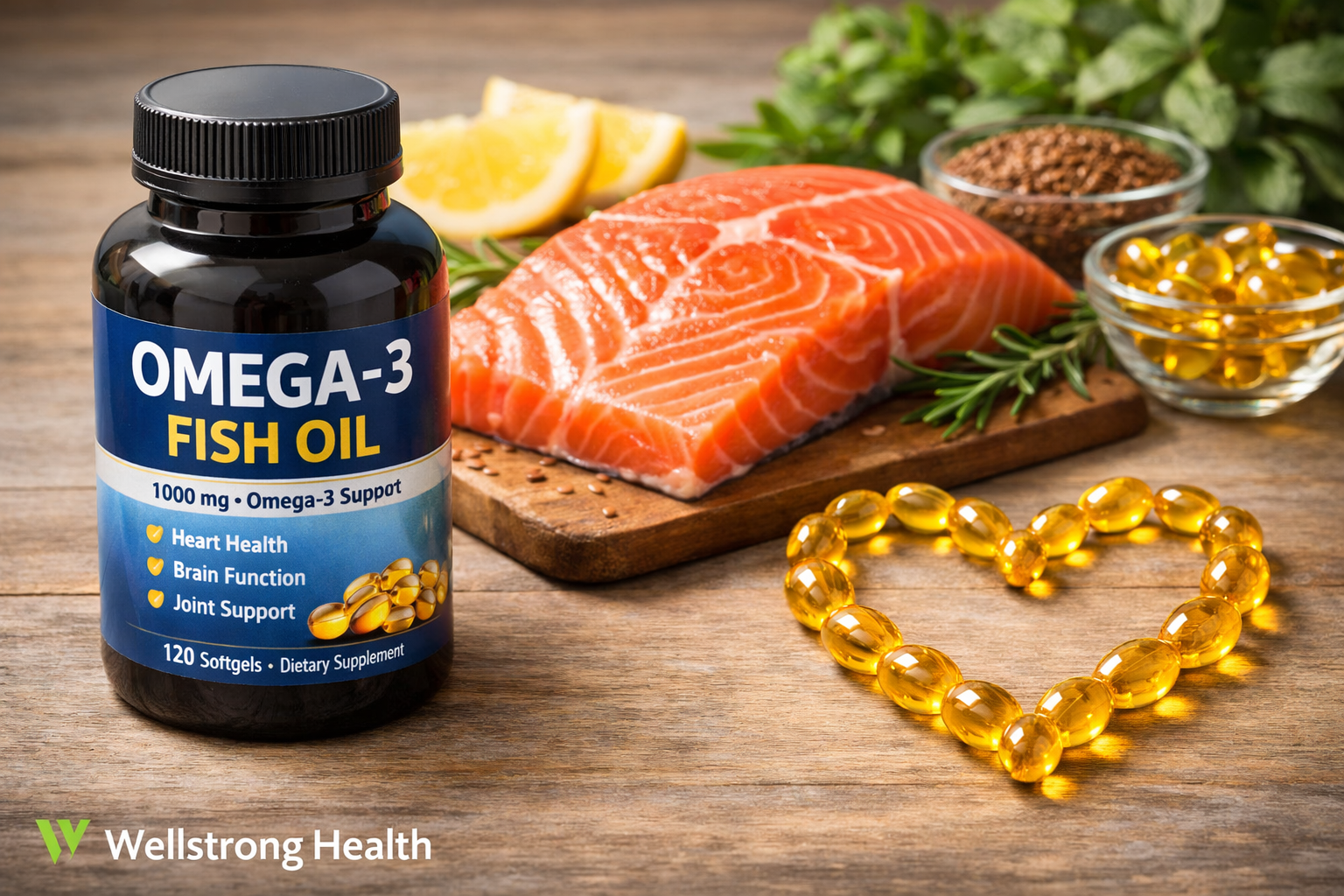
In a world increasingly aware of the importance of proactive health management, certain nutrients stand out as true powerhouses. Among them, omega-3 fatty acids have consistently garnered attention, particularly for their profound impact on cardiovascular well-being. Far from being just another trendy supplement, omega-3s are essential fats that our bodies cannot produce, making dietary intake or supplementation critical for optimal function.
This guide aims to demystify omega-3s, providing you with a comprehensive understanding of why they are fundamental for a healthy heart. We’ll explore the science behind their benefits, differentiate between their key forms, help you navigate optimal dosing, and equip you with the knowledge to choose high-quality supplements. Ultimately, our goal is to empower you to make informed decisions that support your heart health journey.
From understanding the intricate ways these fats protect your cardiovascular system to ensuring you’re taking the right amount and avoiding common pitfalls, this ultimate guide will be your trusted resource. Let’s dive deep into the world of omega-3s and unlock their full potential for a stronger, healthier heart.
Vitamin D and omega‑3 work synergistically—read our guide to vitamin D here.
Why Omega-3 Is Crucial for a Healthy Heart
Omega-3 fatty acids are a type of polyunsaturated fat vital for numerous bodily functions, and their essential nature means we must obtain them through diet or supplements. When it comes to heart health, their role is particularly significant. These fats are integral components of cell membranes throughout the body, including those in the heart and blood vessels, where they contribute to structural integrity and cellular communication. Their anti-inflammatory properties are also a cornerstone of their cardiovascular benefits, helping to mitigate chronic inflammation often associated with heart disease.
Clinical research has extensively documented the positive impact of omega-3s on various markers of heart health. One of their most well-known benefits is their ability to significantly lower triglyceride levels, a type of fat in the blood that, when elevated, increases the risk of heart disease. Furthermore, studies have shown that omega-3s can modestly lower blood pressure, reduce the risk of arrhythmias (irregular heartbeats), and improve endothelial function, which refers to the health of the inner lining of your blood vessels. Large-scale trials, such as the REDUCE-IT study, have even demonstrated a reduced risk of major adverse cardiovascular events in individuals with elevated triglycerides receiving high-dose omega-3 therapy.
Beyond these specific benefits, omega-3s contribute to overall cardiovascular resilience. They can help prevent the buildup of atherosclerotic plaque in the arteries, improve cholesterol profiles by increasing HDL (good cholesterol) and reducing LDL (bad cholesterol) particle size, and enhance overall blood vessel elasticity. Incorporating sufficient omega-3s into your daily regimen, therefore, is not just about addressing specific risk factors, but about fostering a robust and healthy cardiovascular system prepared to withstand the challenges of aging and modern lifestyles.
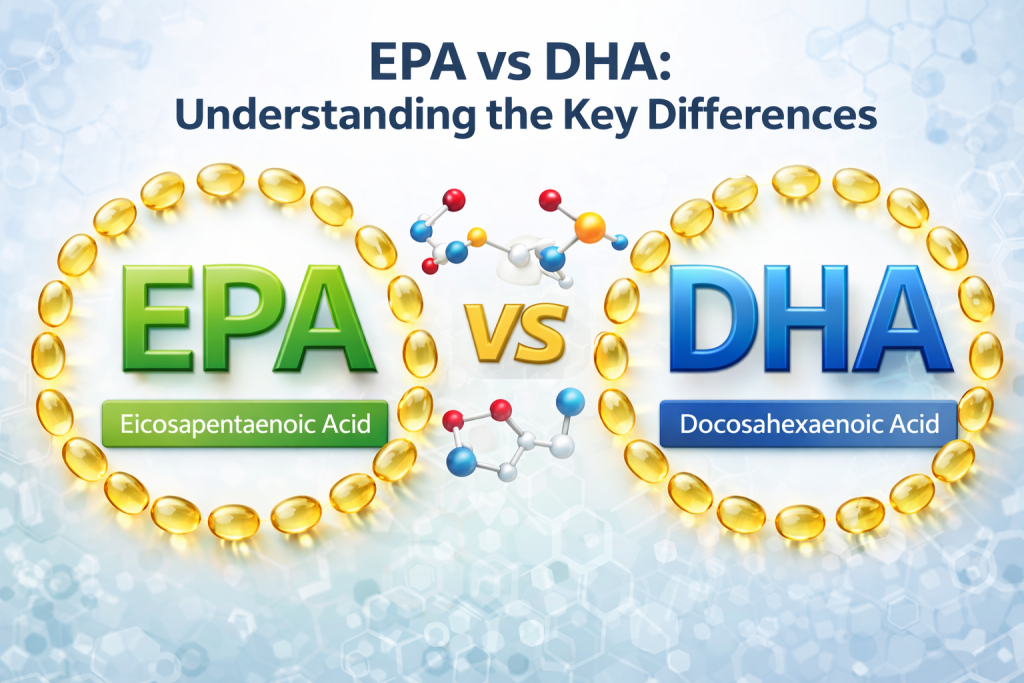
EPA vs DHA: Understanding the Key Differences
When we talk about marine-derived omega-3s, two names consistently come up: Eicosapentaenoic Acid (EPA) and Docosahexaenoic Acid (DHA). While often grouped together, these two fatty acids have distinct structures and play somewhat different, yet complementary, roles in the body. Alpha-linolenic acid (ALA) is a plant-based omega-3 found in flaxseeds and walnuts, which the body can convert into EPA and DHA, but this conversion is often inefficient, making direct intake of EPA and DHA from marine sources more effective.
EPA is widely recognized for its potent anti-inflammatory effects throughout the body. It plays a significant role in reducing systemic inflammation, which is a key driver of many chronic diseases, including cardiovascular disease. Clinically, EPA has shown a particularly strong ability to lower triglyceride levels, making it a primary focus for managing hypertriglyceridemia. Its benefits extend to potentially improving mood and overall cardiovascular protection, often being the more prominent player in studies focused on direct heart disease risk reduction.
DHA, on the other hand, is crucial for the structural integrity of cell membranes, especially in the brain, eyes, and nervous system. It is a major component of the phospholipids in cell membranes and is essential for optimal brain development and function, visual acuity, and nerve transmission. While DHA also contributes to heart health by supporting healthy blood pressure, improving endothelial function, and reducing heart rate, its unique structural roles set it apart. Both EPA and DHA work synergistically, but a balanced intake, with specific attention to EPA for triglyceride management and inflammation, and DHA for cognitive and visual health, is generally recommended.
For plant‑based readers, algae‑derived omega‑3 provides a direct, sustainable source of EPA and DHA. Explore a vegan option →
Optimal Dosing: How Much Omega-3 Do You Need?
Determining the “optimal” dose of omega-3 can feel like navigating a complex maze, as recommendations vary widely based on individual health status, dietary intake, and specific health goals. For general health maintenance and disease prevention in healthy adults, most health organizations, including the American Heart Association (AHA), suggest a daily intake of at least 250-500 mg of combined EPA and DHA. This foundational amount can often be achieved through consuming fatty fish like salmon, mackerel, or sardines a couple of times per week.
For those seeking a premium, research‑backed fish oil with exceptional freshness and taste, Nordic Naturals Ultimate Omega offers a high‑potency, triglyceride‑form formula. Explore Nordic Naturals →
For individuals looking to support general heart health and reduce mild risk factors, supplementing to reach this 250-500 mg combined EPA+DHA target daily is a common approach. This level is generally considered safe and effective for promoting overall cardiovascular well-being without specific therapeutic intentions. It’s an excellent starting point for those who don’t regularly consume fish or want to ensure consistent intake. Always check the label for the actual EPA and DHA content, not just the total fish oil amount.
One affordable, well‑tested option is NOW Foods Ultra Omega‑3, which is molecularly distilled, enteric coated, and provides 500 mg EPA + 250 mg DHA per softgel. Check price on Amazon
When it comes to therapeutic dosing for specific conditions, such as significantly elevated triglycerides, the recommendations can escalate considerably. Doses ranging from 1 to 4 grams (1000-4000 mg) of combined EPA+DHA daily are often prescribed by healthcare professionals. At these higher levels, omega-3s act more like a medication, and it is absolutely crucial to consult with your doctor before starting such a regimen, especially if you have existing health conditions or are taking other medications. Prescription-strength omega-3 formulations are also available for specific medical indications and should only be used under medical supervision.
Quality Matters: Picking the Best Omega-3 Brand
With a plethora of omega-3 supplements flooding the market, discerning a high-quality product from an inferior one is paramount. Not all omega-3 supplements are created equal, and choosing wisely ensures you’re getting the purity, potency, and absorbability necessary to reap the intended health benefits, while avoiding potential contaminants. The efficacy of your supplement hinges directly on its quality.
If you prefer a premium, research‑focused brand, Thorne Research offers high‑purity fish oil with rigorous third‑party testing. View Thorne Omega‑3 →
One of the most critical indicators of quality is third-party testing and certification. Look for seals from reputable organizations like IFOS (International Fish Oil Standards), GOED (Global Organization for EPA and DHA Omega-3s), or USP (United States Pharmacopeia). These certifications verify that the product has been tested for purity, potency, and freshness, ensuring it’s free from heavy metals like mercury, PCBs, dioxins, and other environmental toxins, and that it actually contains the amount of EPA and DHA listed on the label.
Beyond third-party verification, consider the form of omega-3. While some supplements come in ethyl ester (EE) form, the triglyceride (TG) form is generally considered more bioavailable and thus better absorbed by the body. Also, pay attention to the concentration of EPA and DHA per serving – a higher concentration means you need fewer capsules to achieve your desired dose. Finally, check for freshness indicators; a quality omega-3 oil should not smell or taste rancid, and often includes antioxidants like vitamin E to prevent oxidation, along with a clear “best by” date. Sustainable sourcing certifications like MSC (Marine Stewardship Council) are also a bonus for environmental responsibility.
For a quick comparison of my top three omega‑3 supplement picks (budget, premium, and vegan), see this pharmacist‑approved list.
Safety First: Side Effects and Important Precautions
While omega-3 supplements are generally well-tolerated by most individuals at recommended doses, it’s important to be aware of potential side effects and necessary precautions. The most common side effects are usually mild and digestive in nature, including a fishy aftertaste or “burps,” indigestion, nausea, and loose stools. These can often be mitigated by taking the supplement with food, choosing enteric-coated capsules, or even freezing the capsules before consumption.
At higher doses, or in sensitive individuals, more significant side effects can occur. Omega-3s possess mild blood-thinning properties, which can be a concern for those with bleeding disorders or individuals taking anticoagulant medications like warfarin (Coumadin), or antiplatelet drugs such as aspirin. Combining these could potentially increase the risk of bleeding. While usually minor, omega-3s might also affect blood sugar control in people with diabetes, so monitoring is advisable. Additionally, some individuals might experience allergic reactions, though this is rare.
Given these considerations, it is always prudent to consult with your healthcare provider before starting any new supplement regimen, especially if you are on other medications, have a pre-existing medical condition (such as diabetes, a bleeding disorder, or are preparing for surgery), or are pregnant or breastfeeding. Your doctor can help determine the appropriate dosage for your specific needs, assess potential interactions, and monitor for any adverse effects, ensuring that your journey towards optimal heart health with omega-3s is both safe and effective.
Omega-3 fatty acids are undoubtedly a powerful ally in the pursuit of optimal heart health. From their crucial role in lowering triglycerides and reducing inflammation to their ability to support healthy blood pressure and endothelial function, the clinical evidence for their benefits is robust and continually expanding. Understanding the distinct contributions of EPA and DHA, coupled with knowledge of appropriate dosing for your individual needs, forms the bedrock of effective supplementation.
However, the journey doesn’t end with just knowing what to take; how you take it matters immensely. Prioritizing quality by seeking third-party certified products in a highly absorbable form is non-negotiable for ensuring purity, potency, and ultimately, efficacy. Equally important is practicing caution, being aware of potential side effects, and always consulting with a healthcare professional, especially when considering therapeutic doses or if you have underlying health conditions.
Ultimately, omega-3s are a valuable component of a holistic approach to cardiovascular wellness, but they are not a magic bullet. They work best when integrated into a lifestyle that includes a balanced diet, regular physical activity, stress management, and routine medical check-ups. By arming yourself with this ultimate guide, you are now better equipped to harness the full potential of omega-3s, paving the way for a stronger, healthier heart for years to come.
3 thoughts on “The Ultimate Guide to Omega-3 for Optimal Heart Health”